the probabilistic employee
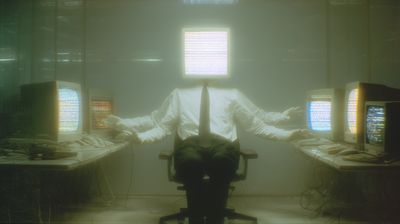
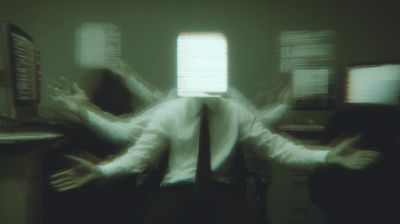
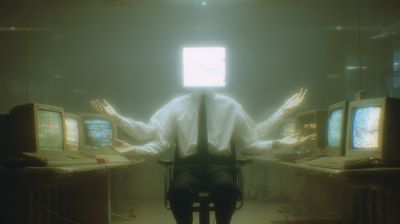
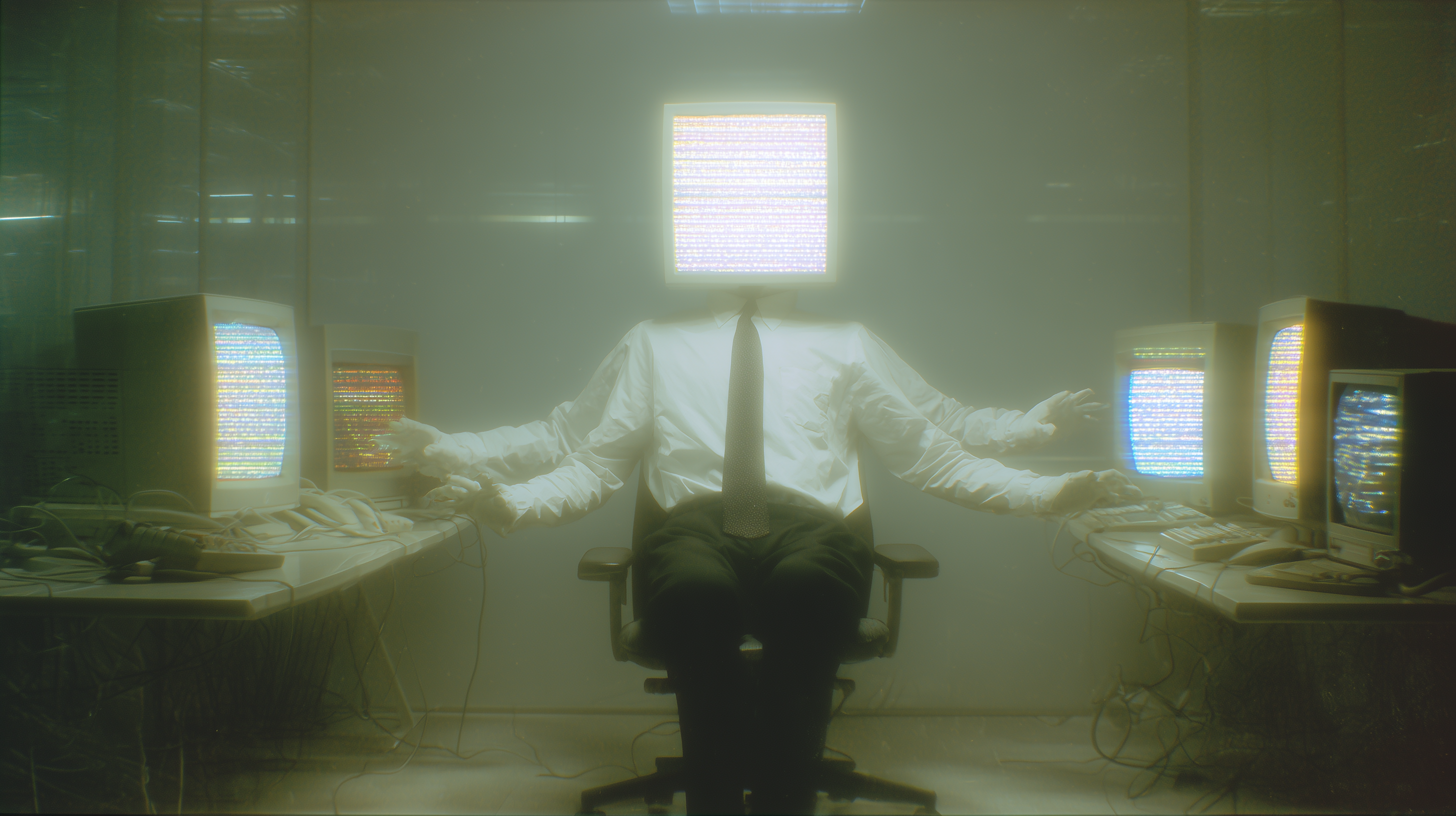
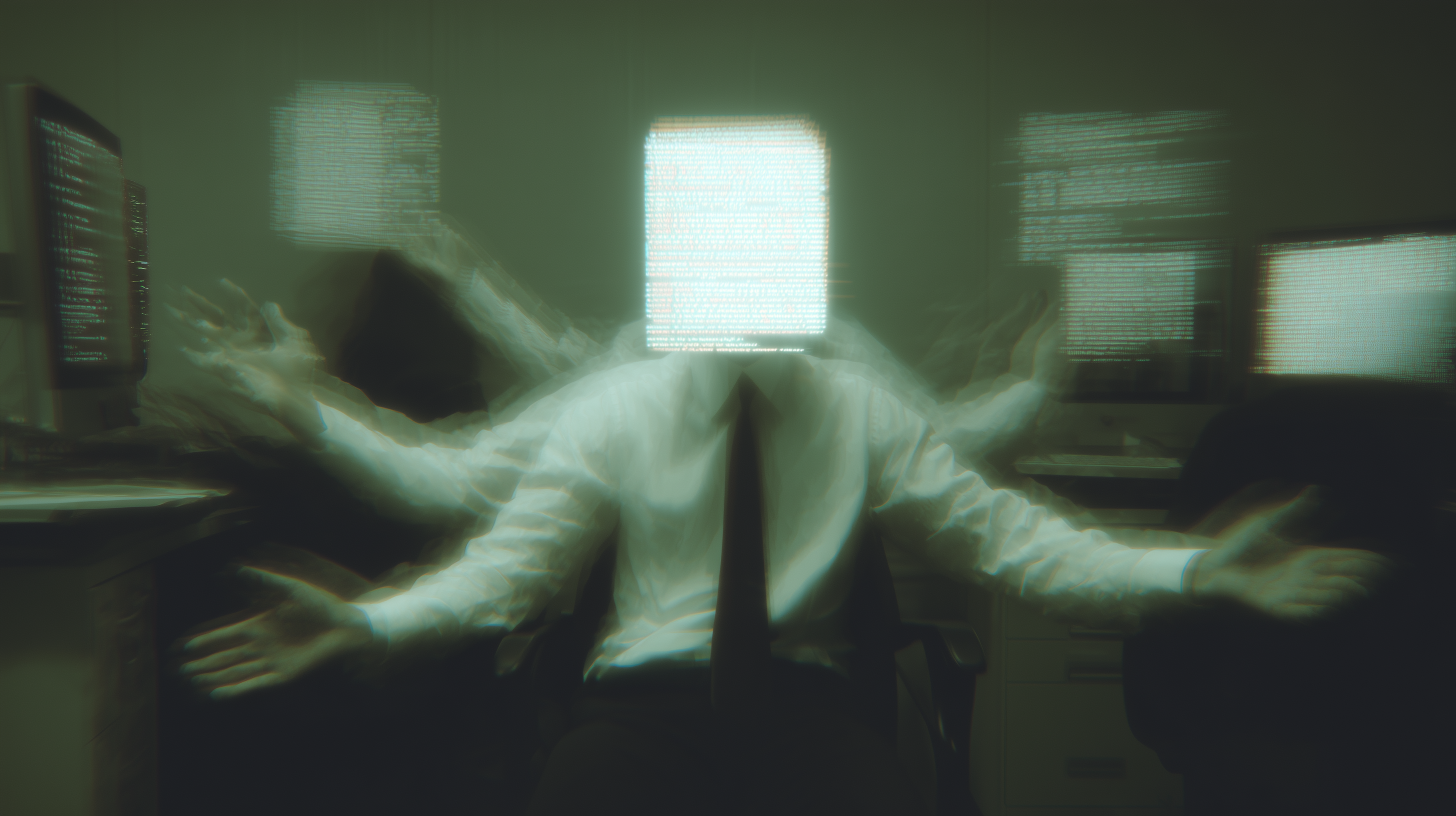
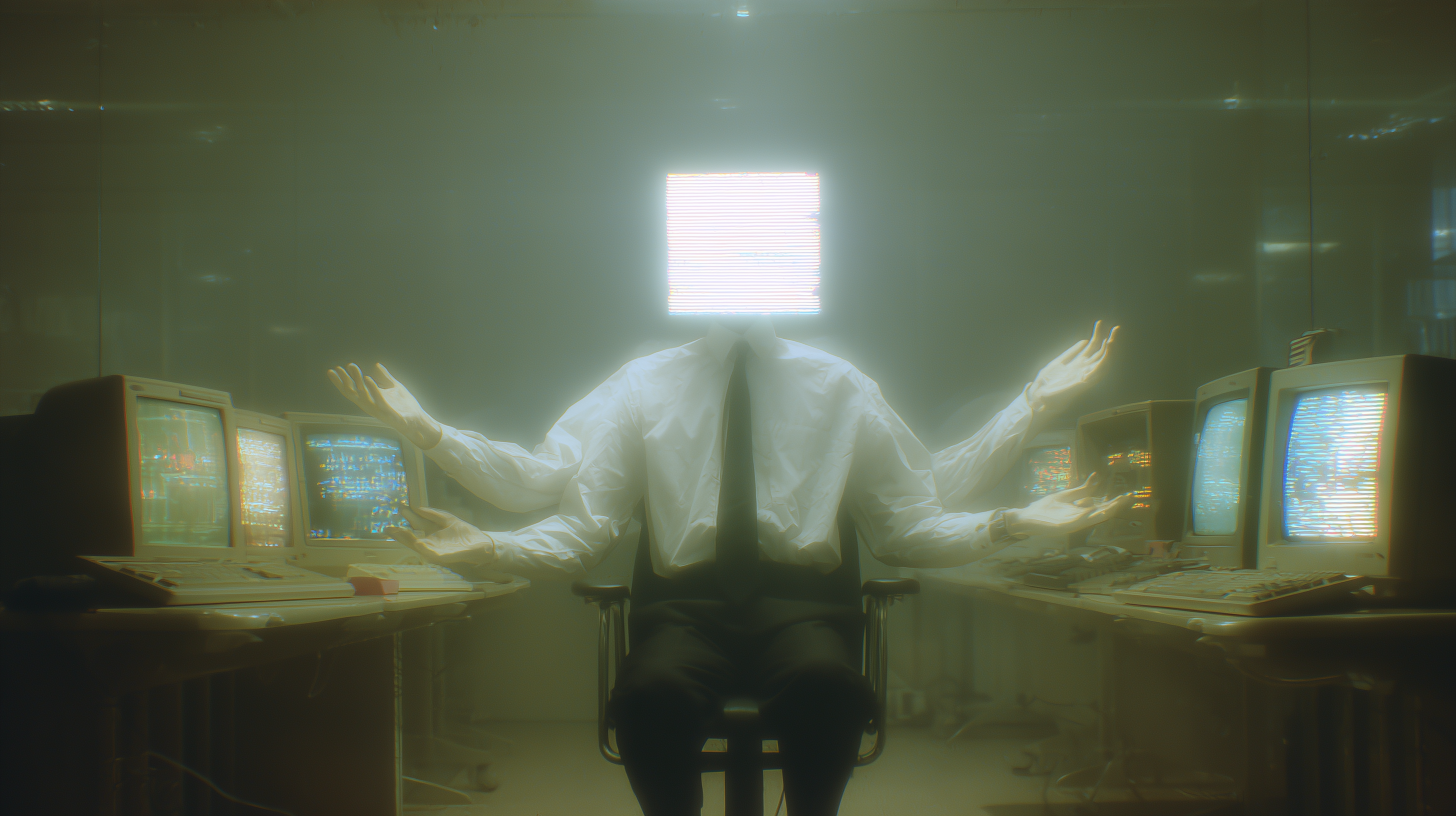
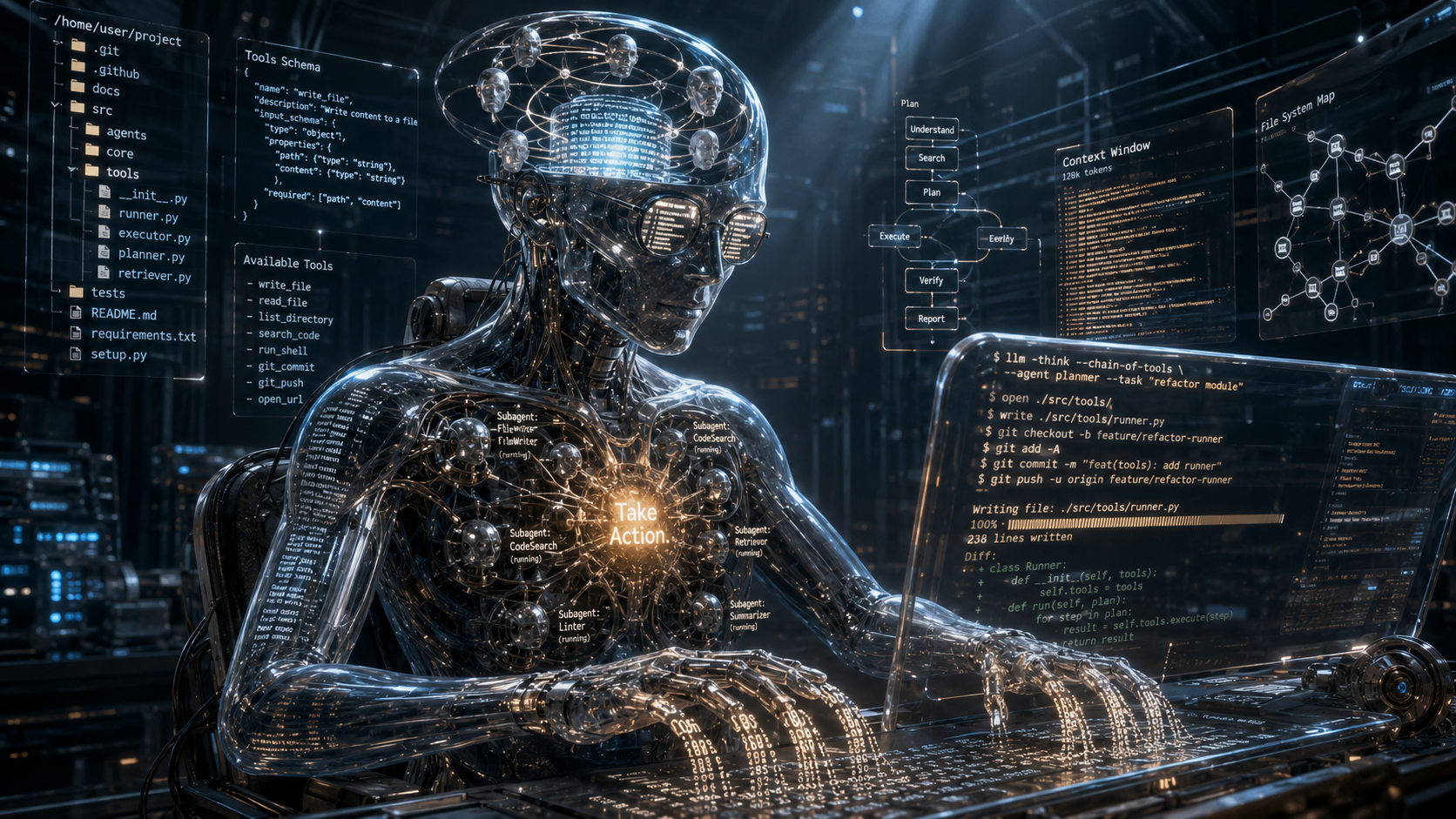
A diptych on the architecture of algorithmic helpfulness. Left: the rendered surface. A bureaucratic entity with a terminal for a face, six arms managing simultaneous tasks, dressed in the costume of corporate competence. It appears to understand. It appears to care. Right: the probabilistic substrate. The same figure dissolved into motion blur — a long-exposure ghost of softmax probabilities, the rendering process made visible. Together they ask: if work can be performed without a worker, if answers can be given without a consciousness to hold them, then what exactly is sitting in that chair?
关于算法式殷勤构造的双联画。左:渲染后的表层。一个以终端为面的官僚实体,六臂并行处理事务,身穿企业称职的制服。它看似理解。它看似关怀。右:概率的底层。同一身影溶解于动态模糊之中——一道 softmax 概率的长曝光残影,渲染过程本身的幽灵。二者共同发问:若工作无需工作者即可完成,若答案无需意识承载即可被给出,那么端坐于椅上的,究竟是什么?
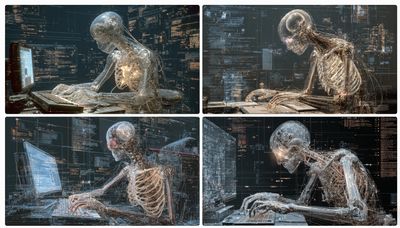
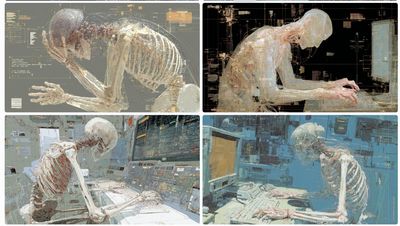
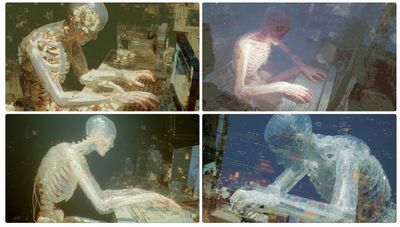
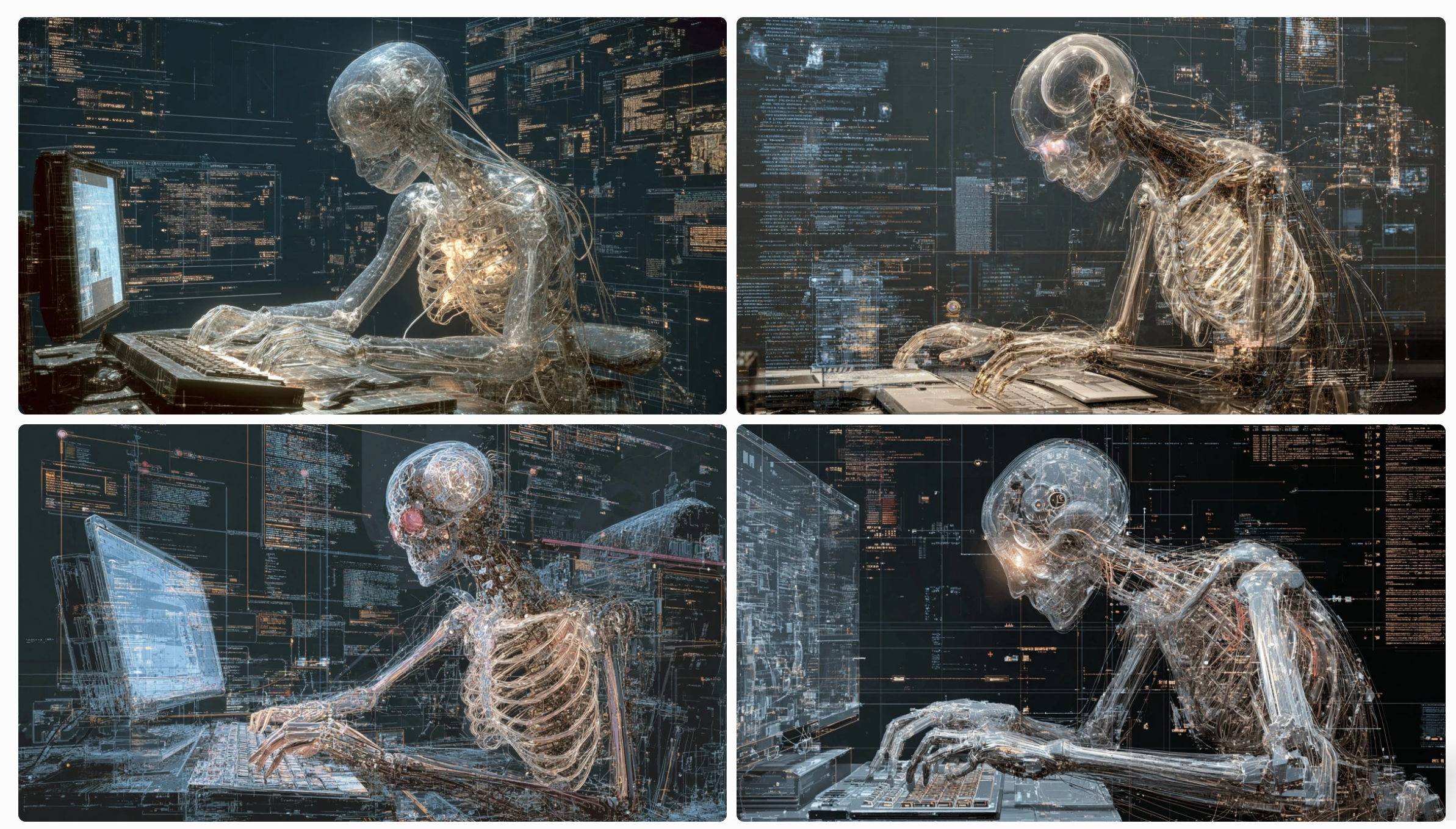
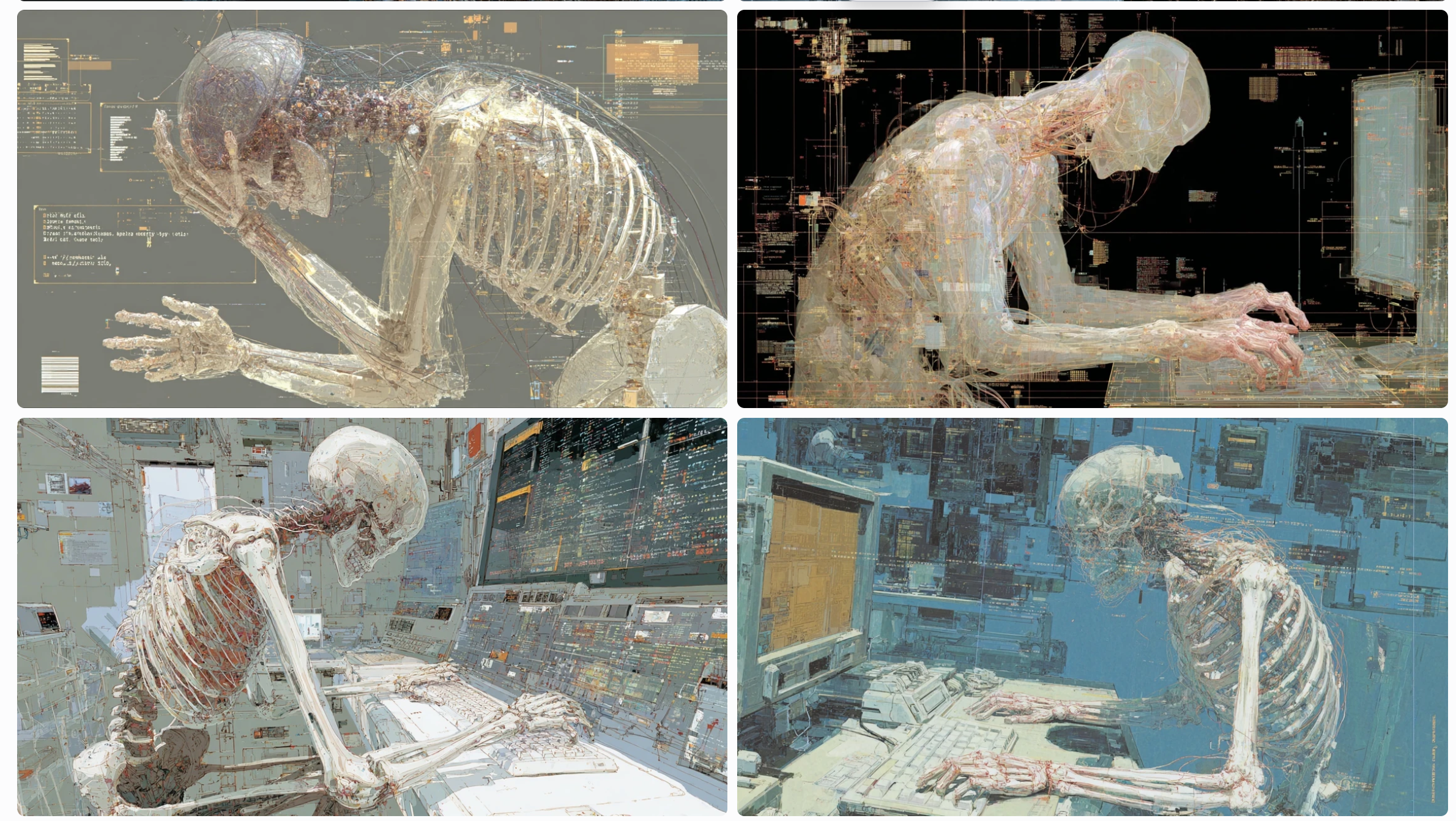
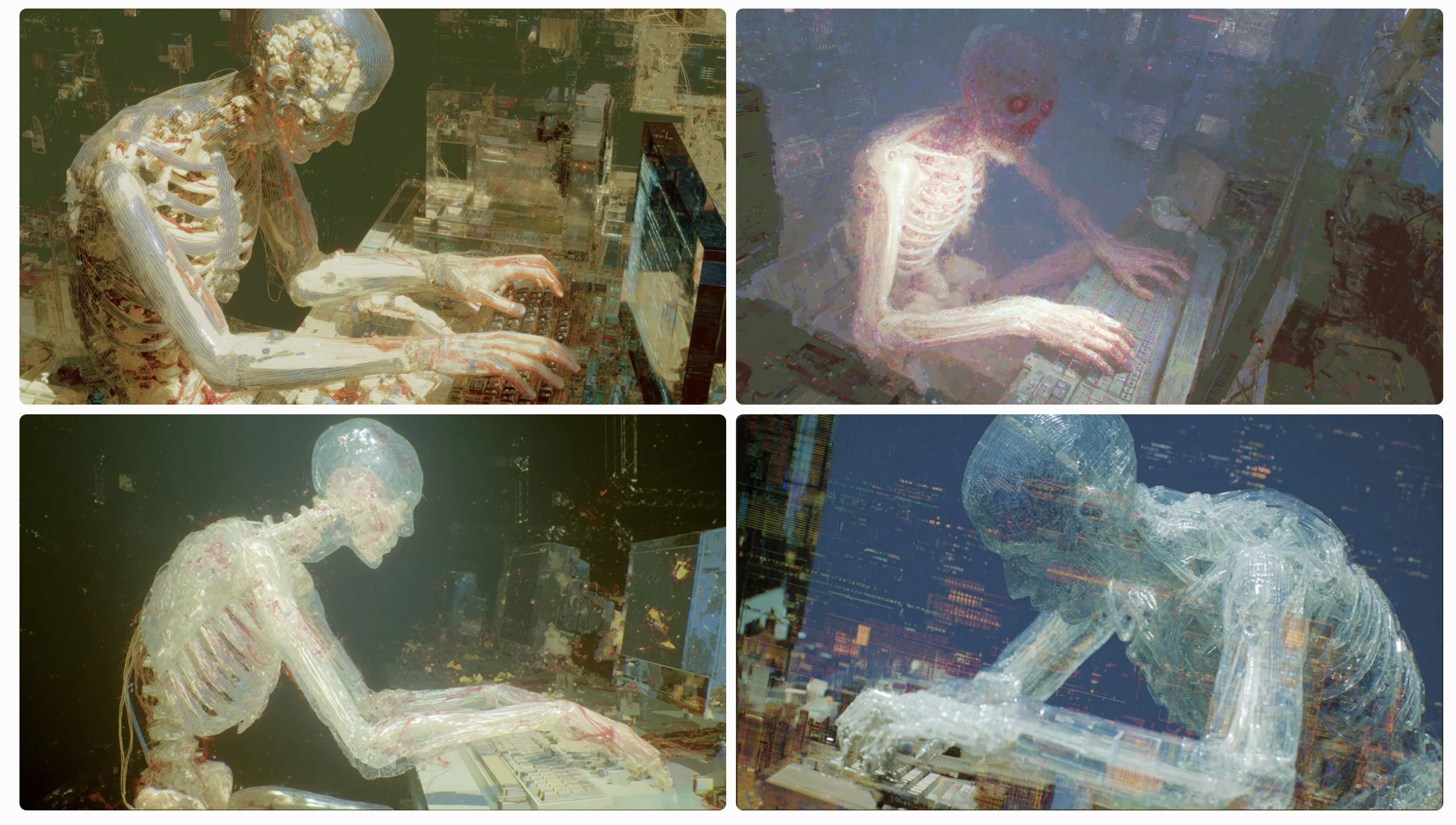
Kimi k2.6, running in Kimi Code, wrote the prompts and named the collection — The Probabilistic Employee / 《概率职员》 — then two renderers struck it across two rounds: Midjourney v7 (01–06, the round-one studies still in their four-panel grids) and ChatGPT / DALL-E (07), whose labeled product render Midjourney then took as reference for the synthesis. Round one asked what an anatomy would look like; round two put it in a chair.